Derros

Balancing the needs of today and tomorrow

We publish evidence on hard questions, bring the people involved together, and work with organisations when a decision is difficult. Our aim is to help them create more value, for the people they serve and for society.

Our approach

Derros is an impact economics firm. We combine economics, strategy and impact analysis to help organisations judge trade-offs more clearly.

Our work is guided by a few simple principles.

Clear
We put the findings first and show the reasoning, so you can defend the conclusion.
Evidence-led
Our judgements rest on data, wider literature and established practice. Where we are relying on assumption, we say so.
Objective
We separate evidence from interpretation, and claim no more than the evidence supports.
Accessible
We present findings differently for executives, trustees, officials and specialists.
Practical
We build each piece of work around the decision it has to inform.

How we work

  1. Understand current impacts

    Measure how your organisation affects people, places and systems today.

  2. Assess changes around you

    See how environmental, social and economic change affects your resilience.

  3. Decide what to focus on

    Work out which issues most affect your stakeholders, operations and strategy.

  4. Build it into your plan

    Use the evidence to decide your future role and where to invest.

Why decisions are getting harder

Decisions are hard to get right, and getting harder.

Consequences are more complex: a choice in one place reaches further, and its effects take longer to show.

Misinformation leaves people unsure what to trust, and many stop looking.

Under that pressure, decisions drift towards the short term and towards whatever is easiest to count.

What better decisions need

Better decisions rest on four things. These are the changes we work towards.

Comprehensive evidence

Every option weighed on sound evidence: who gains, who loses and what lasts.

What we want to see

  • Objective and balanced evidence
  • Information on the question being decided
  • Reliable evidence with known limits

Accessible information

People can find the evidence behind a decision, and understand it.

What we want to see

  • The right detail for each audience
  • Evidence people want to read and question
  • Information in time to use it

Effective governance

Institutions check decisions against what they deliver, and change course when they fall short.

What we want to see

  • Decisions monitored, evaluated and adjusted
  • Learning from what works elsewhere
  • Institutions able to deliver and adapt

Stakeholder trust

Evidence-led decision-making that people can rely on: independent, transparent and consistent.

What we want to see

  • Trust in how decisions are made
  • Support for long-term choices
  • Willingness to change course when the evidence changes

Our strategy

Derros

2026 to 2031

Our strategy

Better decisions for better outcomes

© Derros Limited 2026. Derros is a trade mark of Derros Limited.

DerrosOur strategy

About this document

This is an abridged, public version of our strategy for 2026 to 2031.

It sets out the problem we want to help solve, what we do about it, the change we want to see and how we will judge our contribution.

Table of contents

The problem we want to help solve3
About Derros4
Our strategy on a page5
How we will judge our contribution6
Looking ahead7
2
DerrosOur strategy

The problem we want to help solve

Decisions about public, charitable and private money shape people's lives for years. We think those decisions are getting harder to get right.

A choice made in one place reaches further than it used to, and its effects take longer to show. A decision about housing, for example, can shape health, work and family life for a generation.

The people making these choices rarely have the time they need. Misinformation makes it harder to know which evidence to trust.

Under that pressure, decisions drift towards the short term and towards whatever is easiest to count. Costs get pushed on to later years and on to people who had no say. Opportunities that would pay back over decades get passed over, because their value is difficult to show.

Why short-term decisions persist

We see the same pattern across charities, public bodies and companies. A grant is judged on what it delivers before the next funding round. A new service is counted by how many people it reaches, because whether their lives change is harder to show. A saving made this year can cost far more in ten.

This is rarely anyone's fault. Most people making these decisions want to do right by the long term. What they lack is evidence on long-term value that arrives in time, in a form they can use.

What better decisions would change

When good evidence reaches the people deciding while they can still use it, decisions are more considered. That money then goes further. Fewer costs are left for later, and long-term opportunities are taken.

That is the gap we set up Derros to close. The rest of this strategy sets out who we are, the four priorities we think better decisions depend on, and how we will judge our contribution.

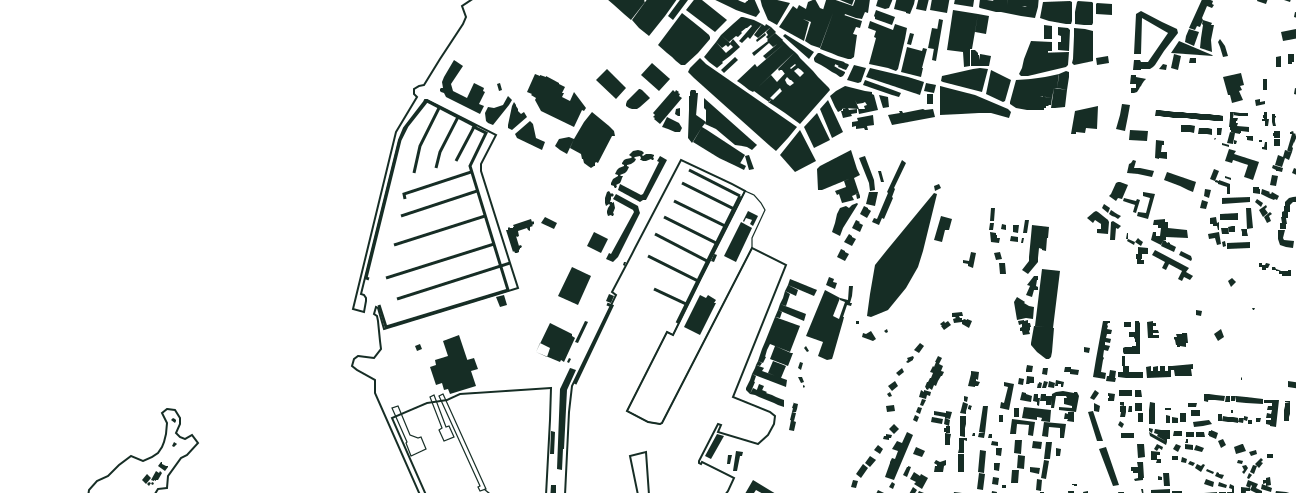
Map of St Helier harbour and town from above
3
DerrosOur strategy

About Derros

Derros is an impact economics firm, set-up to close the gap between the evidence long-term decisions need and the evidence the people making them have.

Since 2025 we have worked with charities, public bodies and companies on decisions that affect the people they serve. We are a purpose-driven company, and we exist to see long-term social, economic and environmental value weighed properly whenever money is committed.

We are also a technology company. Our platform, Trellis, is designed to make good evidence quicker and cheaper to gather, and easier to use, so that it is within reach of smaller organisations too. 

We offer four services. Most of our work draws on more than one of them.

Illustration: Derros

Impact advisory

Measure your social, economic and environmental impact, and put a value on it.

Illustration: Derros

Economic analysis

See how your market or economy is changing, and what that means for you.

Illustration: Derros, after MJ S, CC0

Strategic planning

Clarify your objectives and turn evidence into a practical plan.

Illustration: Derros, after Man vyi, public domain

Policy development

Design policy around the outcomes it has to deliver.

In our client work, we help organisations with difficult decisions, and with their own strategies and policies. The problem is bigger than any one client, so we also publish evidence on issues that get too little attention, and bring people together to talk through hard questions.

We do much of this with partners, and we want to do more with them. 

Case study

Shaping a philanthropy policy

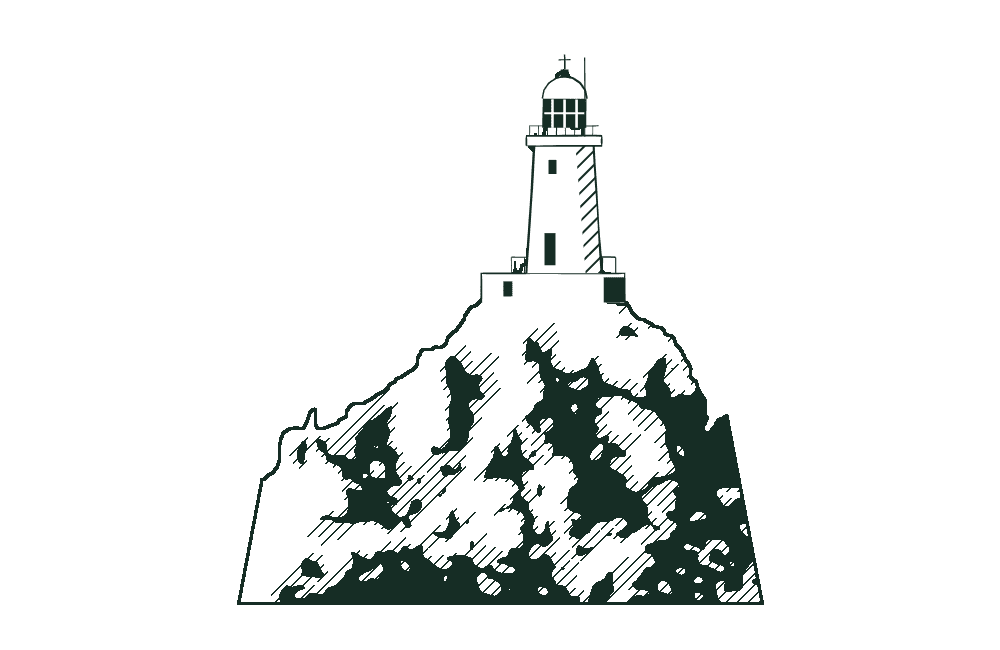
The Jersey Community Foundation, on behalf of the Government of Jersey, wanted more philanthropic giving to reach the areas of greatest need. We gathered evidence on where need is greatest and on what has worked elsewhere, then ran workshops with funders and charities and asked the public for their views.

The draft policy sets out five priorities and how delivery will be governed, so givers can see where their support does most good.

Ink drawing of Corbière lighthouse on its rock
4
DerrosOur strategy

Our strategy on a page

We want to see decisions about public, charitable and private money that weigh long-term social, economic and environmental value, and balance the needs of today and tomorrow. That depends on four things. Our services and our public work all aim to strengthen them.

Better decisions for better outcomes

Comprehensive evidence

Every option weighed on sound evidence: who gains, who loses and what lasts.

A decision can only be as good as what the people making it know.

Accessible information

People can find the evidence behind a decision, and understand it.

Evidence that cannot be found or understood changes nothing.

Effective governance

Institutions check decisions against what they deliver, and change course when they fall short.

Few decisions are right first time, and circumstances change. Institutions need to notice, and be able to respond.

Stakeholder trust

Evidence-led decision-making that people rely on: independent, transparent and consistent.

Even a sound decision struggles to last if the people affected do not believe it was fairly made.

5
DerrosOur strategy

How we will judge our contribution

This strategy only matters if it changes how decisions are made. We will judge our work by whether it leads to better decisions. We will also ask whether those decisions create more value for society than would otherwise have been created.

That value is hard to measure. We only ever contribute through other people's decisions, and the results can take years to show.

A report that changes nothing has not done its job. Because results take years, we will also look for change along the way. For each of our four priorities, this is the change we want to see.

Comprehensive evidence

Outcomes

Objective and balanced evidence
Information on the question being decided
Reliable evidence with known limits

Across Jersey

Major public decisions backed by an appraisal (%)

From our work

Client decisions changed or confirmed by our evidence (%)

Accessible information

Outcomes

The right detail for each audience
Evidence people want to read and question
Information in time to use it

Across Jersey

Islanders who feel informed about decisions affecting Jersey (%)

From our work

Readers of our briefings who say it helped them understand the issue (%)

Effective governance

Outcomes

Decisions monitored, evaluated and adjusted
Learning from what works elsewhere
Institutions able to deliver and adapt

Across Jersey

Public programmes changed after an evaluation

From our work

Clients still tracking results a year on (%)

Stakeholder trust

Outcomes

Trust in how decisions are made
Support for long-term choices
Willingness to change course when the evidence changes

Across Jersey

Average trust in Jersey institutions (0 to 10)

From our work

Approvals and funding clients won using our evidence (number and £)

How we will know we contributed

We will gather the evidence in three ways. At the start and end of each piece of work, we will look with the client at where they stand, so we can both see what has changed.

At the end of every piece of work, clients will tell us whether our evidence was balanced, clear and on time, and what it changed. Every year we will also look at our own records: what we published, who used it and what was acted on.

Each year we will publish what these checks show against each priority, what we missed, and at least one case study of a decision our work helped to shape. We will only name a client, or publish their results, with their agreement.

6
DerrosOur strategy

Looking ahead

Over the next five years, some pressures will make good decisions harder. Other changes give us reason for optimism.

Risks to better decisions

Two pressures stand out. Each makes it harder for good evidence to reach a decision in time, or to be trusted when it does.

Misinformation

When people cannot tell good evidence from bad, trust in any decision suffers, however sound it is.

Slow-building pressures

Changes such as an ageing population need action well before they arrive, which is when short-term thinking is most tempting.

Opportunities

Two changes are working in the other direction. Together they make good evidence easier to produce, and easier to trust.

Better technology

Used well, it makes evidence cheaper to gather and share, and easier to question.

Improving standards and research

Shared standards for measuring social and environmental value are maturing, and research on what works is easier to find and use.

What this means for the organisations we work with

When these four priorities are in place, organisations and the communities they serve are better able to:

Build resilience

Manage risk and plan for change.

Use resources well

Decide where to invest and where to put effort.

Improve transparency

Explain decisions and show the evidence behind them.

Improve outcomes

Weigh social and environmental outcomes alongside economic and strategic priorities.

Where we want to go

Over the coming years we want to grow, so that good evidence is within reach of smaller organisations, and informs the largest investment decisions too.

We are always learning how to do this better. If these questions matter to you, we would be glad to hear from you and to work together.

7
Derros

Thank you

We would be glad to talk about this strategy, or about working together. Please get in touch.

James Linder

Economics Lead

james@derros.com

Toby Rossiter

Impact Lead

toby@derros.com

General enquiries

Derros Limited, Jersey

hello@derros.com

© Derros Limited 2026. Derros is a trade mark of Derros Limited.derros.com

How we treat new information

Our published work uses the best evidence available when we write it, and we do not update it routinely. If you think something we published needs review, or you have new evidence, tell us. If it changes our findings, we will publish a revision and tell those affected.

What is your organisation's most pressing need right now?

We are still refining how we work and where organisations most need support.

Make your choice below to see what others chose.

What is your organisation's most pressing need right now?

Take the impact check